 English
 عربى
عربى Français
 русский
 Español
 中文简体
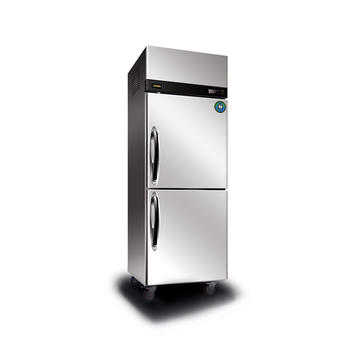
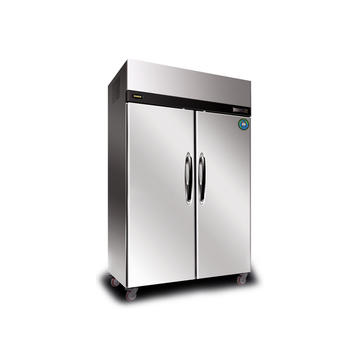
中文简体In the modern culinary landscape, spatial efficiency is the cornerstone of a functional kitchen. Whether you are managing a high-output commercial kitchen or a busy residential household, the challenge remains the same: how to store an increasing volume of fresh produce and ingredients without compromising your floor plan. This is where the upright fridge (also known as a vertical refrigerator) excels. Unlike traditional horizontal chest units that consume massive amounts of floor space, the upright fridge utilizes vertical height to provide high-capacity storage. However, simply owning an upright unit is not enough to guarantee efficiency. To truly maximise your kitchen space, you must understand the engineering of shelf ergonomics, the science of thermodynamic zoning, and the latest innovations in zero-clearance hinge technology.
The Engineering of Verticality: Why Upright Fridges Win on Space Efficiency
The primary advantage of an upright fridge lies in its adherence to the “Vertical Storage” principle—the same logic used in high-density logistics and warehousing. In any kitchen, the floor area is the most expensive and limited commodity. By shifting the storage footprint from the horizontal plane to the vertical plane, an upright fridge allows for a much larger internal volume within a fraction of the space. However, achieving this efficiency requires sophisticated mechanical engineering to ensure that the air remains cool and stable throughout the entire height of the cabinet.
Ergonomic Accessibility and Footprint Optimization
One of the most significant spatial benefits of an upright fridge is its ergonomic design. In a fast-paced environment, the time spent “digging” for ingredients in a chest freezer or a deep cabinet is essentially wasted time. An upright fridge keeps your inventory at eye level, allowing for instant visual audits and rapid retrieval. Furthermore, modern professional units are now engineered with zero-clearance hinges. This is a critical technical feature for space maximization, as it allows the fridge to be installed flush against walls or between cabinetry. Traditional fridges require several inches of side clearance for the door to swing open; zero-clearance tech allows the door to pivot within the width of the unit itself. This allows for a seamless, “built-in” look that saves valuable centimeters in narrow galleys or compact commercial line-ups.
Thermodynamic Zoning: The Secret to High-Density Storage
Maximizing space is not just about cramming as much as possible into the cabinet; it is about “Zoning.” Inside an upright fridge, heat naturally rises, creating subtle micro-climates. To maximize utility, users must align their inventory with these temperature zones. The top shelves are typically the most consistent, making them ideal for pre-prepared foods or dairy. The lower levels, which are the coolest, should be reserved for raw proteins. By utilizing specialized Humidity-Controlled Crisper Drawers at the base, you can pack fruits and vegetables more densely without fear of cross-contamination or premature spoilage. When every cubic centimeter is allocated based on its thermal profile, you can store up to 20% more usable product than in a poorly organized unit. This strategic organization is the difference between a cluttered fridge and a high-performance storage asset.
Operational Excellence: Energy Management and Long-Term Value
A fridge that is incorrectly sized or poorly maintained will eventually become a liability rather than an asset. Operational excellence in refrigeration involves balancing the internal storage capacity (Net Volume) with energy consumption and maintenance accessibility. As energy costs continue to rise globally, choosing a unit with high-efficiency insulation and an intelligent compressor is essential for long-term ROI.
Net Capacity vs. Gross Volume: Measuring True Utility
When selecting an upright fridge, it is common to see a “Gross Volume” listed in the specifications. However, for a professional buyer, the only number that matters is the Net Capacity. This represents the actual usable space after the shelves, internal lighting, and cooling shrouds are accounted for. High-performance upright fridges use Vacuum Insulation Panels (VIPs), which are much thinner than traditional foam insulation but offer superior thermal resistance. This allows for thinner walls and a significantly higher Net Capacity-to-Footprint ratio. If you are working in a tight space, a unit with VIP technology can provide the internal volume of a large fridge within the exterior shell of a medium-sized one. This is a primary factor in Semrush searches for “compact high-capacity refrigeration,” as it represents the pinnacle of space-saving engineering.
Airflow Systems and Inverter Compressor Technology
The greatest enemy of a packed fridge is poor airflow. When a fridge is filled to capacity to maximize space, the air vents can become blocked, leading to “hot spots” and potential food safety issues. To combat this, professional upright fridges utilize Multi-Airflow Technology, which features cooling vents at every shelf level. This ensures that even if one area is blocked by a large tray, the rest of the cabinet remains at the target temperature. Furthermore, the heart of the modern fridge is the Inverter Compressor. Unlike standard compressors that only operate at “zero or one hundred” percent, an inverter compressor scales its speed to meet the cooling demand. This not only keeps the temperature extremely stable (within 0.5 degrees) but also reduces energy consumption by up to 30%. For any business or homeowner, this translates to lower utility bills and a significantly longer appliance lifespan, ensuring the upright fridge remains a profitable part of the kitchen infrastructure for years to come.
Technical Comparison: Upright Fridge vs. Alternative Cooling Models
This table provides a technical breakdown to assist in selecting the most space-efficient refrigeration model for your specific professional or residential environment.
| Feature | Upright (Vertical) Fridge | Chest (Horizontal) Unit | Side-by-Side Model |
|---|---|---|---|
| Footprint Efficiency | Maximum (Uses verticality) | Low (Consumes floor area) | Moderate |
| Ergonomic Access | Excellent (No bending) | Poor (Requires digging) | Good |
| Organization Style | Shelving & Drawers | Stacking Baskets | Dual Compartments |
| Energy Consumption | Low (Inverter Tech) | Minimum (Cold stays in) | Moderate to High |
| Maintenance Access | Easy (Front-facing) | Moderate | Moderate |
| Ideal Environment | Small/Pro Kitchens | Garage / Bulk Storage | Large Residential |
Frequently Asked Questions (FAQ)
What is the “Zero-Clearance” feature in an upright fridge?
Zero-clearance refers to a specialized hinge design that allows the fridge door to be opened to 90 degrees without the door edge protruding beyond the width of the fridge cabinet. This allows the unit to be installed directly against a wall or flush between kitchen cabinets.
How much space should I leave behind my upright fridge for ventilation?
While many modern upright fridges are “front-venting,” it is still standard practice to leave a 2cm to 5cm gap at the rear and top to allow heat to dissipate from the condenser coils. This prevents the compressor from overheating and extends the life of the motor.
Why is my upright fridge making a humming noise?
A low hum is usually the sound of the inverter compressor or the internal circulation fans. However, if the noise becomes loud or metallic, it may indicate that the fridge is not level. Most upright units have adjustable “leveling legs” to ensure the unit sits perfectly flat on the floor.
Technical References and Standards
- IEC 62552: Global standard for household refrigerating appliances - Characteristics and test methods.
- Energy Star® Version 5.0: Requirements for professional and residential refrigeration efficiency.
- ISO 15502: Household refrigerating appliances - Energy consumption and performance verification.
- ANSI/ASHRAE Standard 72: Method of Testing Open and Closed Commercial Refrigerators and Freezers.