 English
 عربى
عربى Français
 русский
 Español
 中文简体
中文简体For most commercial kitchens, a stainless steel counter refrigerator with 6-13 cubic feet of capacity, a rear-mounted compressor, and 2-3 solid doors offers the best balance of storage, reliability, and workflow efficiency. Smaller operations like coffee shops or food trucks may only need a compact single-door unit, while high-volume kitchens often require 4-door configurations exceeding 50 cubic feet.
Below, we break down how to evaluate capacity needs, compare compressor placement options, and choose the right door configuration for your kitchen's specific workflow.
What Is a Stainless Steel Counter Refrigerator?
Also known as undercounter or worktop refrigerators, these units are designed to fit beneath standard counter height (typically 32-36 inches) while doubling as additional prep surface space. They're a staple in commercial kitchens where floor space is limited but cold storage near prep stations is essential.
Unlike reach-in refrigerators, counter units prioritize horizontal workflow integration — placing ingredients within arm's reach of line cooks during service, which can measurably reduce ticket times during peak hours.
Capacity: Matching Storage to Kitchen Volume
Capacity needs vary significantly based on menu size, prep volume, and how frequently deliveries restock your kitchen. The table below outlines typical capacity ranges by operation type.
| Operation Type | Recommended Capacity | Typical Door Count |
|---|---|---|
| Coffee shop / food truck | 4-6 cu. ft. | 1 door |
| Small café / bar | 6-13 cu. ft. | 2 doors |
| Full-service restaurant | 17-27 cu. ft. | 3 doors |
| High-volume / catering kitchen | 28-50+ cu. ft. | 4+ doors |
A common rule of thumb is to size your unit for 1.5-2 days of inventory, balancing food safety (avoiding overcrowding that restricts airflow) against the need for frequent restocking trips during service.
Compressor Type and Placement: Top-Mount vs. Rear-Mount
Compressor location affects cooling performance, maintenance access, and how the unit handles heat in a busy kitchen environment.
Rear-Mounted Compressors
Positioned at the back of the unit, rear-mounted compressors are the most common configuration for counter refrigerators. This design keeps the compressor away from the prep surface above, reducing heat transfer to food being prepared on top and minimizing vibration noise near the cook line.
Top-Mounted Compressors
Some compact units place the compressor on top, which can reduce the available counter height clearance but allows for easier under-unit cleaning since there's no rear housing extending the footprint. Top-mounted designs are less common in standard counter units and more typical of compact, freestanding refrigerators not built into a counter line.
Air-Cooled vs. Water-Cooled Systems
Most counter refrigerators use air-cooled compressors, which are simpler to install and maintain. Water-cooled compressors, while less common, can operate more efficiently in extremely hot kitchen environments exceeding 100°F ambient temperature, though they require a dedicated water line and drain connection.
Door Configuration: Solid vs. Glass, and Door Count
Door configuration affects both storage organization and energy efficiency, and should be chosen based on how the unit will be used during service.
Solid Doors
- Better insulation: Solid doors retain cold air more effectively than glass, reducing compressor workload.
- Lower energy cost: Solid-door units typically consume 10-15% less energy than glass-door equivalents of the same size.
- Best for: Back-of-house prep stations where visibility isn't necessary.
Glass Doors
- Visual inventory tracking: Staff can see contents without opening the door, reducing unnecessary temperature fluctuations.
- Best for: Front-of-house bars or display areas where presentation matters.
Number of Doors and Drawer Options
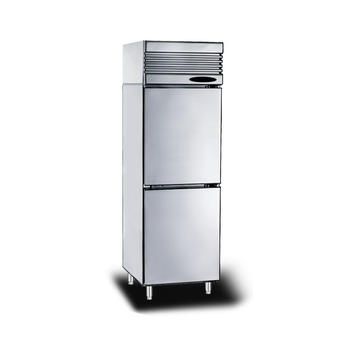
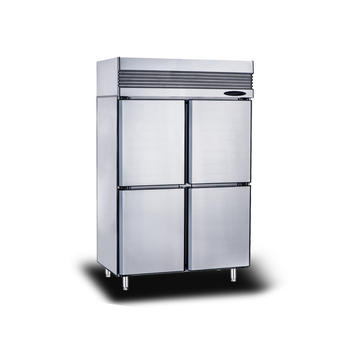
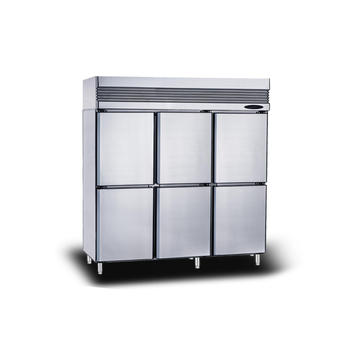
More doors generally mean more organizational flexibility, since each compartment can be opened independently without exposing the entire unit's contents to ambient air. Drawer configurations are also available and are often preferred in tight prep stations, since drawers allow staff to access ingredients without bending or reaching into a deep door compartment.
Additional Specifications Worth Checking
Beyond capacity, compressor type, and door configuration, a few additional specs can meaningfully affect day-to-day performance:
- Temperature range: Confirm the unit maintains 33-41°F consistently, even with frequent door openings during service.
- NSF certification: Required by most health departments for commercial food service equipment.
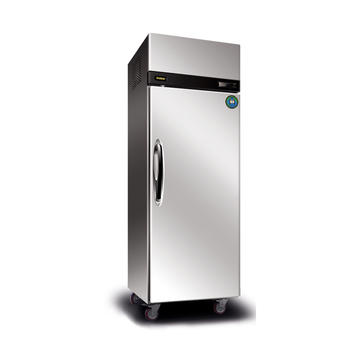
- Caster wheels: Useful for moving the unit during deep cleaning, though leveling legs offer more stability for permanent placement.
- Shelf configuration: Adjustable wire shelving allows flexibility for storing items of varying sizes.
Final Recommendation
For most full-service restaurants, a 17-27 cubic foot stainless steel counter refrigerator with a rear-mounted air-cooled compressor and 2-3 solid doors provides the best combination of storage, energy efficiency, and workflow integration. Smaller operations like cafés or food trucks can opt for compact 1-2 door units in the 4-13 cubic foot range, while high-volume kitchens should consider 4+ door configurations exceeding 28 cubic feet.
Whichever configuration you choose, confirm NSF certification and verify the unit's actual footprint — including compressor housing — fits your kitchen layout before purchasing.