 English
 عربى
عربى Français
 русский
 Español
 中文简体
中文简体The Short Answer: What to Look For First
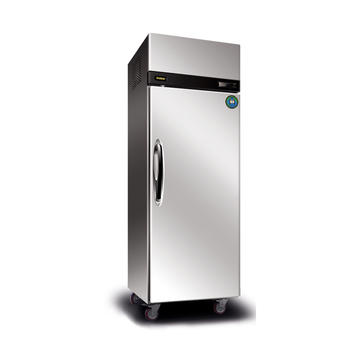
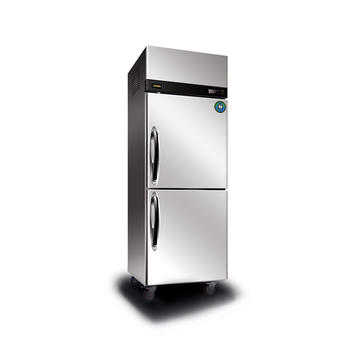
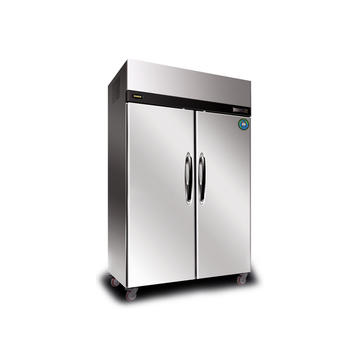
For most commercial kitchens, the right upright stainless steel refrigerator is a full-size, two-to-three-door unit with 45-75 cubic feet of capacity, a 304-grade stainless steel exterior, and a self-contained top-mount compressor rated for continuous ambient temperatures up to 100°F (38°C). That single combination covers roughly 80% of restaurant, cafeteria, and catering kitchen needs. The sections below explain why each of those specifications matters, what trade-offs come with sizing and door configuration, and how to avoid the most common buying mistakes.
Why Stainless Steel Construction Matters
Stainless steel isn't just a finish choice — it's a functional requirement in most commercial kitchens. Health codes in the United States and most other jurisdictions require food-contact and near-food surfaces to be non-porous, corrosion-resistant, and easy to sanitize, and stainless steel is the material that consistently meets NSF/ANSI 7 standards for commercial refrigeration.
Not all stainless steel is equal, though. 304-grade stainless steel resists rust and pitting far better than the cheaper 430-grade steel often used on lower-cost import units, particularly in kitchens with high humidity or frequent exposure to acidic foods and cleaning chemicals. Some manufacturers use 430-grade on the sides and back (out of view) and 304-grade only on the front door and top, which is a reasonable cost-saving compromise, but the interior liner should always be stainless steel or NSF-approved plastic rather than painted metal.
Grade Comparison at a Glance
- 304-grade: best corrosion resistance, recommended for full exterior and interior
- 430-grade: acceptable for non-visible panels, lower cost, more prone to surface rust over time
- Painted or coated steel: not recommended for any food-contact surface
Choosing the Right Capacity and Door Configuration
Capacity is where most kitchens either overspend or undersize. A common rule of thumb used by foodservice equipment consultants is roughly 1.5 to 2 cubic feet of refrigerated storage per seat for a full-service restaurant, adjusted up for menus with heavy prep needs (bakeries, buffets) and down for concepts with high delivery frequency or limited menus.
| Kitchen Type | Typical Door Count | Approx. Capacity |
|---|---|---|
| Small café / coffee shop | 1 door | 20-27 cu. ft. |
| Mid-size restaurant | 2 doors | 45-54 cu. ft. |
| Large restaurant / hotel kitchen | 3 doors | 72-82 cu. ft. |
| Institutional / catering kitchen | 4+ doors | 95+ cu. ft. |
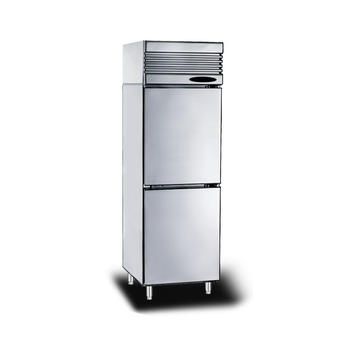
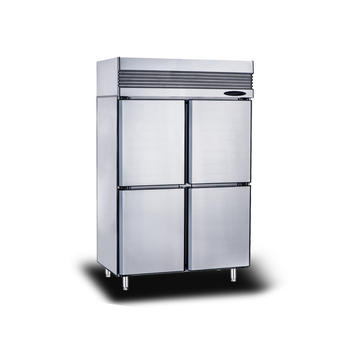
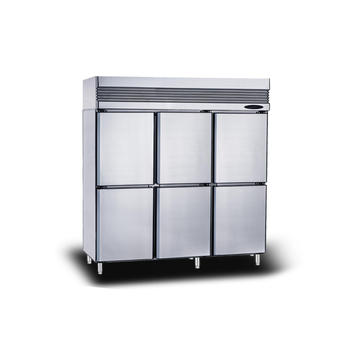
Half-door configurations are worth considering for any unit with two or more full doors. Splitting a single door section into two half-doors reduces cold air loss by up to 25-30% per opening because staff only need to open the section they're actually using, which matters most in high-traffic prep areas where the fridge is opened dozens of times per hour.
Compressor Placement: Top-Mount vs. Bottom-Mount
Compressor location affects both maintenance and daily kitchen workflow, and it's one of the most overlooked specs in a buying decision.
Top-Mount Compressors
Top-mount units place the compressor above the cabinet, which keeps it further from splashes, mopping water, and debris on the kitchen floor. This generally means fewer compressor failures caused by moisture and grease intrusion, and it's the more common configuration for standard back-of-house use. The trade-off is a slightly taller overall unit, which can be an issue in kitchens with low ceiling clearance.
Bottom-Mount Compressors
Bottom-mount units lower the overall height and make top-shelf items easier to reach, which some kitchens prefer for line stations. However, floor-level compressors are more exposed to spills and require more frequent cleaning of the condenser coils — manufacturers typically recommend coil cleaning every 30 days for bottom-mount units versus every 90 days for top-mount units in an average commercial kitchen environment.
Energy Efficiency and Operating Costs
Refrigeration typically accounts for a meaningful share of a commercial kitchen's electricity bill, running continuously 24 hours a day, 365 days a year. ENERGY STAR-certified upright refrigerators use at least 20% less energy than standard non-certified models of comparable size, based on U.S. Department of Energy testing benchmarks, which for a typical two-door unit can translate to $100-150 in annual electricity savings.
Beyond certification labels, a few concrete features affect real-world efficiency:
- Thicker cabinet insulation (typically 2.5-3 inches of foamed-in-place polyurethane) reduces compressor run time
- Magnetic, self-closing door gaskets prevent slow cold-air leakage that forces the compressor to work harder
- LED interior lighting draws a fraction of the power used by older fluorescent fixtures and produces less heat inside the cabinet
Temperature Control and Food Safety Compliance
Commercial refrigerators must reliably hold food at or below 41°F (5°C) to comply with FDA Food Code guidelines and most local health department requirements. When evaluating units, check for a digital temperature display and controller rather than an analog dial — digital controllers typically hold temperature within a tighter ±1-2°F range, compared to ±3-5°F swings common on older analog thermostats.
Forced-air (fan-assisted) cooling systems are strongly preferred over static cooling for commercial use, since fans circulate cold air evenly throughout the cabinet and recover temperature faster after a door has been open. Forced-air units typically recover to set temperature within 3-5 minutes of a door closing, compared to 10-15 minutes for static cooling systems, which matters significantly during peak service when doors are opened repeatedly.
Durability Features Worth Paying For
Commercial kitchens are harder on equipment than any home environment, so a few construction details are worth checking before purchase rather than after a breakdown.
- Look for reinforced door hinges rated for at least 60,000 open-close cycles
- Choose adjustable, epoxy-coated wire shelving over painted shelving, which chips and rusts faster
- Confirm casters are commercial-grade with locking brakes for units that need to move for cleaning
- Check that door gaskets are replaceable without special tools, since gaskets are the most common wear part
- Verify the compressor comes with a minimum 5-year parts warranty, which is standard among reputable commercial brands
Budgeting: What Price Range to Expect
Prices vary significantly by capacity, brand tier, and finish quality, but the table below gives a realistic starting point for budgeting purposes.
| Unit Type | Typical Price Range (USD) |
|---|---|
| 1-door upright, entry-level brand | $1,200 - $2,000 |
| 2-door upright, mid-tier brand | $2,500 - $4,000 |
| 3-door upright, premium brand | $4,500 - $7,000 |
| 4+ door institutional unit | $7,500+ |
When comparing quotes, factor in delivery, installation, and any required electrical work, since commercial units often need a dedicated 115V or 208-230V circuit depending on compressor size. Total installed cost typically runs 10-15% above the sticker price once these items are included, so it's worth requesting an all-in quote rather than comparing unit prices alone.
Common Mistakes to Avoid When Buying
A few recurring mistakes account for most of the buyer's remorse reported by kitchen operators after purchasing an upright refrigerator.
- Buying based on exterior footprint alone without checking usable interior shelf space
- Skipping NSF certification, which some local health inspectors require for permit approval
- Ignoring door swing direction relative to the surrounding workstation layout
- Underestimating clearance needed behind the unit for airflow, typically 4-6 inches minimum
- Choosing the lowest-priced option without confirming warranty terms and local service availability
Getting the specification right the first time — correct capacity, proper stainless grade, the right compressor placement, and NSF/ENERGY STAR certification where required — is far cheaper than replacing an undersized or unreliable unit within the first two years of operation, which is a common outcome when kitchens buy based on price alone rather than actual daily workflow needs.