 English
 عربى
 Français
 русский
 Español
 中文简体
A gas station refrigerator works harder than most people notice. It opens and closes hundreds of times a day, faces summer heat through glass, and has to keep drinks, dairy, sandwiches, and frozen treats at safe temperatures while a queue forms at the register. That is a very different job from a household fridge in a quiet kitchen.
In convenience retail, refrigeration is part of the sales floor. A shopper decides whether to buy a cold drink in seconds. If the glass is fogged, the shelves look empty, or the cooler feels warm, the sale is lost. The equipment also has to fit behind a counter, beside a coffee station, or along a narrow aisle without blocking staff movement.
Every opening exchanges cold air for warm room air. Recovery speed matters.
Sales space is valuable. Refrigeration must earn its place on the floor.
A failed cooler is not just a service call. It is lost sales and wasted stock.
What Makes a Gas Station Refrigerator Different?
The forecourt reality
- Doors open constantly during morning coffee and evening drink peaks.
- Direct sun and hot pavement can raise the surrounding air temperature.
- Display space is limited, so every shelf needs to sell.
- Staff have many tasks beyond refrigeration checks.
- Customers expect clean glass, clear labels, and cold products every visit.
The equipment response
- Strong airflow and fast temperature recovery after door openings.
- Climate-rated components and well-matched condensing capacity.
- Glass doors, LED lighting, and shelving that make products easy to see.
- Simple controls, accessible coils, and easy-to-clean surfaces.
- Reliable door gaskets, defrost control, and condensation management.
The practical lesson is simple: choose a gas station refrigerator by the shopper journey and the service routine, not by a catalog photo alone. A cooler that looks impressive but cannot recover after a busy lunch rush will become a daily frustration. A quieter unit with sensible airflow, sturdy shelves, and easy maintenance often delivers better long-term value.
Four Refrigerator Zones That Keep a Forecourt Moving
Most convenience stores do not need one “perfect” refrigerator. They need a small set of refrigeration zones, each with a clear job. The mix below is common because it supports browsing, speed, backup stock, and back-room storage without forcing every product into the same cabinet.
1. Glass door merchandiser refrigerators
This is the most recognizable gas station refrigerator: an upright cabinet with glass doors, bright shelving, and a clear view of drinks, dairy, sandwiches, and ready-to-eat snacks. It supports self-service and encourages impulse purchases. The best units combine strong door seals, even airflow, and lighting that makes labels readable without creating extra heat. Watch for fogging, worn gaskets, and blocked rear air channels.
2. Open-air refrigerated displays
Open-air units place chilled food and drinks within easy reach, often near the coffee counter or checkout. They can look generous and inviting, but they depend on a stable air curtain. Cross-draughts, overloading, or direct sunlight can break that curtain and raise product temperatures. Use them where the layout supports them, not as a default choice for every aisle.
3. Undercounter refrigerators
Undercounter units earn their place at the checkout, prep counter, or back bar. They keep milk, toppings, backup drinks, or food prep items within arm’s reach while saving floor space. Drawer models can separate categories neatly. The trade-off is capacity, so plan the menu and restock rhythm before choosing a size.
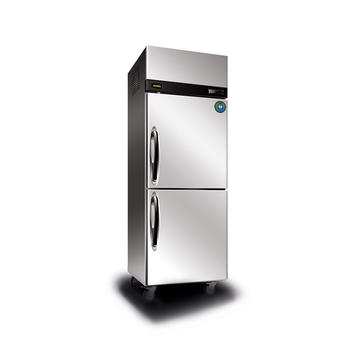
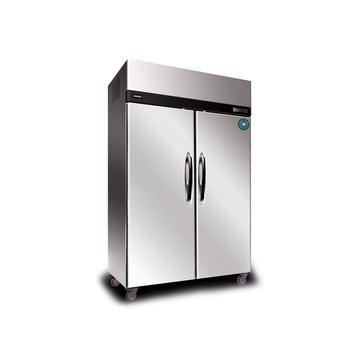
4. Reach-in solid door refrigerators
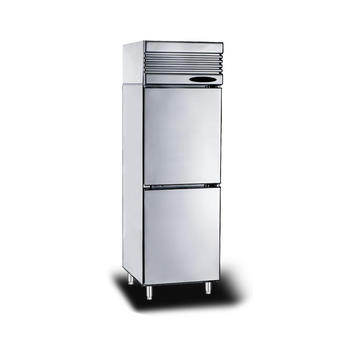
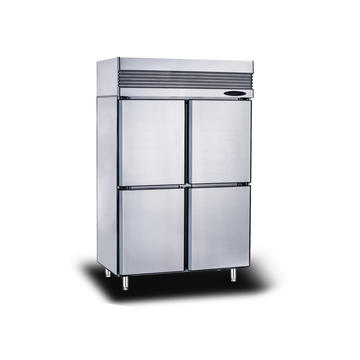
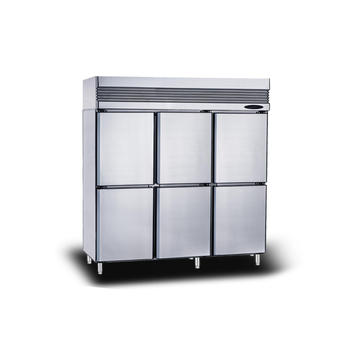
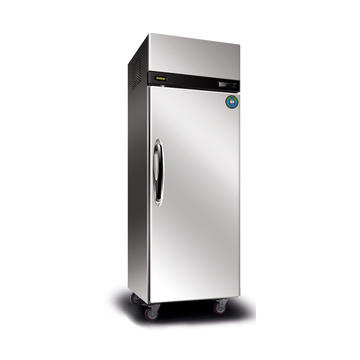
Solid door reach-ins are workhorses for back-room stock, bulk beverages, and overflow. They are less about display and more about storage discipline. Clear labeling and a simple first-in, first-out routine matter more here than decorative lighting. If the store sells frozen goods, a matching reach-in freezer helps keep frozen stock separate from chilled stock.
 Two-Door Stainless Steel Glass Display RefrigeratorA 900-liter upright glass-door display refrigerator in chiller or freezer versions, suited to anchoring a visible drink wall while keeping stock organized.View Product →
For a store that wants visibility without losing shelf depth, a two-door glass display refrigerator can be a sensible anchor for the drink wall. Pair it with a smaller undercounter unit near the register, and keep bulk overflow in the back room rather than crowding the customer aisle.
Matching Equipment to the Gas Station Floor Plan
Refrigeration planning works best when it follows the customer’s path from the entrance to the register. That path also reveals where staff need access, where heat builds up, and where a door swing could block a queue.
Entry and grab-and-go
Place glass door merchandisers where shoppers see them immediately, but keep them out of direct sunlight. A bright drink wall near the entrance can capture a quick purchase without pulling customers deep into the store.
Coffee and food pairing
Chilled sandwiches, milk, and creamers belong near the coffee station. An undercounter refrigerator or a compact glass door unit can reduce staff steps and keep the queue moving.
Checkout and impulse zone
Small undercounter or open-air displays can hold high-margin drinks and snacks. Keep the load line clear. Overfilling an open-air unit may look abundant, but it can disrupt cooling and lead to warm spots.
Back room and overflow
Reach-in solid door refrigerators and freezers handle bulk stock and reduce restocking trips. Leave service access around the front grille and condenser so cleaning is not a struggle.
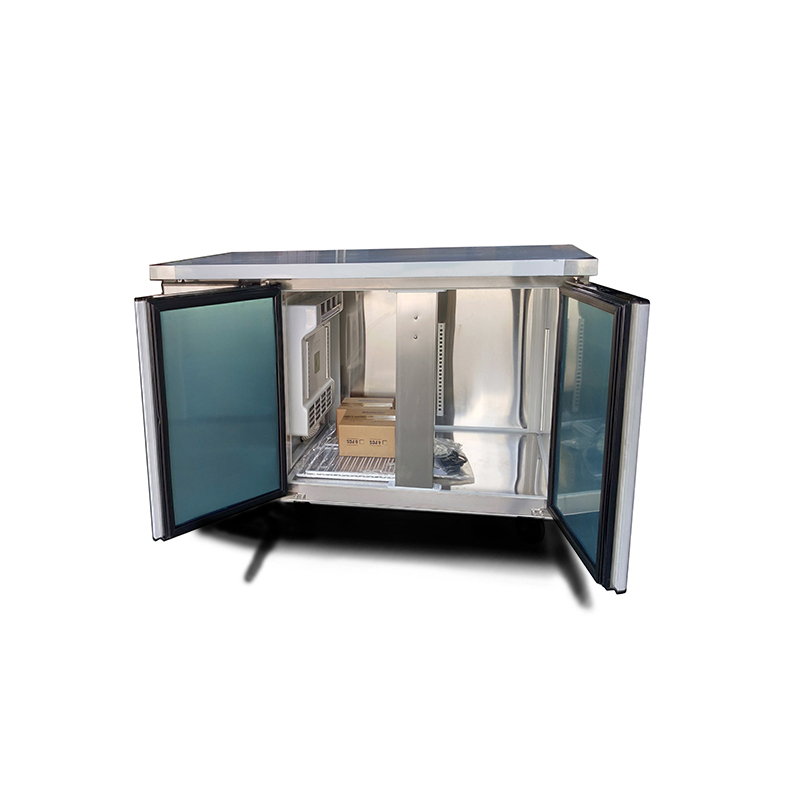 Two-Door Stainless Steel Counter RefrigeratorA 1,200 mm counter refrigerator with 260-liter capacity and chiller or freezer options, useful where prep space is tight but ventilation and service access matter.View Product →
Measure the full working envelope, not just the cabinet width. Add space for door swing, drawer pull-out, ventilation, and staff movement. A 1,200 mm counter refrigerator may fit a narrow prep area, but it still needs breathing room around the condensing unit.
Temperature, Airflow and Defrost: The Quiet Essentials
Most refrigeration complaints begin with small habits rather than a failed compressor. The following questions are the ones we hear most often from store owners and facility teams.
What temperature should a gas station refrigerator hold?
Chilled display units are commonly set around 1–4°C (34–39°F), while freezers are typically kept at -18°C (0°F) or below. Always follow local food-safety guidance, product labels, and your own temperature logs. A cheap thermometer placed in the cabinet is still one of the best early-warning tools.
Why does airflow matter so much?
Cold air has to reach every shelf. Blocking the rear plenum, stacking products above the load line, or pushing items against the evaporator can create warm pockets. The glass may look full while the top shelf is struggling. Leave the designed air path open.
How should defrost be managed?
Modern units use automatic defrost cycles. Do not chip ice from the evaporator or disable defrost to “save energy.” Check that the drain is clear, the door closes fully, and frost is not building up around gaskets. If ice returns quickly, find the cause instead of treating the symptom.
What daily habits protect performance?
Wipe door gaskets, remove spills before they harden, check that night curtains or covers are used where fitted, and keep the condenser coil clean. Also watch for a door that does not self-close. A small gasket issue can become a large energy issue.
The best gas station refrigerator is often a boring one: it holds temperature, recovers quickly, and gives staff no drama. That kind of reliability comes from correct sizing, sensible loading, and a maintenance routine that takes minutes rather than hours.
A Practical Comparison Table
Use this table as a planning aid, not a substitute for measuring the site. The right mix depends on the product range, store layout, climate, and how much staff time is available for cleaning and restocking.
| Refrigerator type | Best for | Product visibility | Footprint | Main watch-outs |
|---|---|---|---|---|
| Glass door merchandiser | Drinks, dairy, sandwiches, grab-and-go | High | Medium | Fogging, gasket wear, blocked airflow |
| Open-air display | Impulse food and drinks near the queue | Very high | Medium to large | Air-curtain disruption, ambient heat |
| Undercounter refrigerator | Checkout backups, milk, toppings, prep items | Low | Small | Limited capacity, drawer and door discipline |
| Reach-in solid door | Back-room stock, bulk beverages, overflow | Low | Medium | Inventory blind spots, less browsable |
| Glass door freezer | Ice cream, frozen snacks, frozen drinks | High | Medium | Frost, defrost recovery, temperature swings |
Energy Efficiency Without Guesswork
Refrigeration is one of the largest continuous electrical loads in a convenience store, but chasing the lowest purchase price can be a false economy. The more useful question is how the unit behaves over a full year of door openings, hot afternoons, and busy weekends.
Illustrative planning view based on common forecourt refrigeration priorities. It is not a measured energy audit.
For remote or back-room systems, heat rejection also matters. A dirty or undersized condenser makes the compressor work longer, and that shows up on the electricity bill before it shows up as a breakdown. If the store uses a remote condensing arrangement, match the condenser to the load and keep service access clear.
 SCON300 Stainless Steel Air-Cooled CondenserSCON300 air-cooled condenser for air-conditioning, refrigeration, heat pump, and chemical processing uses, relevant when planning remote heat rejection and clear service access.View Product →
Self-contained merchandisers are common on the sales floor because they are simpler to place. Remote systems can move heat and noise away from customers, but they need proper planning. Either way, the goal is the same: remove heat efficiently, keep temperatures stable, and make routine service easy.
How to Choose the Right Gas Station Refrigerator
Before comparing models, write down the store’s actual daily rhythm. How many customers pass the drink wall at lunch? Who restocks the sandwiches? Where does delivery stock wait? These answers narrow the equipment list faster than a long feature checklist.
Product mix
Chilled drinks, dairy, frozen desserts, and food prep each need different temperatures and shelf layouts.
Door style
Glass sells visibility. Solid doors protect bulk stock. Undercounter drawers organize small items.
Footprint
Measure width, depth, door swing, drawer pull-out, ventilation, and staff walkways.
Climate
Hot, humid sites need equipment that can recover and manage condensation reliably.
Service access
Can a technician reach the condenser, controls, and drain without moving the whole store?
Cleaning routine
Easy-to-clean shelves, gaskets, and floor edges save time and protect hygiene.
Useful specification details include climate class, refrigerant, electrical requirements, shelf load, and defrost method. Ask for dimensions in writing rather than relying on a brochure. If you are planning a multi-site roll-out, keep a consistent service manual and spare gasket set for each model family. You can also download the product catalogue to compare cabinet styles and capacities before requesting a quote.
Installation and Daily Maintenance Checklist
Before delivery
Confirm the door opening, floor strength, power supply, and ventilation clearances. Check that the unit can be moved into position without removing a door frame or blocking a fire exit.
Day one
Let the cabinet settle and reach temperature before loading stock. Set controls according to the product mix, not the lowest possible setting. Record the starting temperature and any unusual noise.
Daily
Check door closure, wipe spills, clear the load line, and look for fogging or frost that does not clear. Remove damaged packaging that could block airflow.
Weekly
Inspect gaskets for cracks or residue, clean the glass, check drains, and rotate stock. Make sure night covers or curtains are used if fitted.
Monthly and seasonal
Clean the condenser coil, check fan operation, review temperature logs, and look for unusual compressor run times. Before summer, confirm condenser access and door seals. Before winter, check that defrost and drainage still work as expected.
Before signing off a new installation
- The cabinet is level, stable, and clear of the wall ventilation zone.
- Doors close squarely and gaskets seal without gaps.
- The drain runs freely, with no water pooling under the unit.
- Temperature logs are started and staff know who checks them.
Common Mistakes and What to Do Instead
Buying by sticker price alone. Better: compare energy use, service access, and expected downtime over the life of the unit.
Blocking the rear air channel. Better: leave the designed load line and airflow path clear, even during peak stock periods.
Ignoring ambient heat. Better: keep glass doors out of direct sun and choose equipment rated for the site’s climate.
Treating all chilled products the same. Better: match temperatures and shelf positions to the product label and food-safety plan.
Skipping coil cleaning. Better: put it on the monthly schedule, not the “when something breaks” list.
Keeping no spare gaskets. Better: stock the wear parts that matter most, so a small seal failure does not become a lost week.
Final Thoughts on Choosing a Gas Station Refrigerator
A gas station refrigerator should make the store feel easy to shop. The drinks are cold, the glass is clear, the shelves are full, and staff can restock without blocking the queue. That impression is built by choosing the right cabinet for each zone and then supporting it with simple, consistent maintenance.
At Redbowl, our background is in commercial refrigeration equipment and heat-exchange components, from upright glass door display cabinets and stainless steel worktables to air-cooled condensers and evaporators. We have served commercial refrigeration needs since 1987, with manufacturing in Zhejiang and an export-oriented base near Ningbo Port. You can learn more about our manufacturing background and the product families behind these applications.
Whether you are refreshing one forecourt or planning a larger rollout, start with the shopper path, the product mix, and the service routine. The equipment list will make far more sense once those three things are clear.
Frequently Asked Questions
What type of refrigerator is best for a gas station?
Glass door merchandisers are usually best for self-service drinks and grab-and-go food. Undercounter units suit checkout and prep areas, while solid door reach-ins handle back-room stock. Most stores need a mix rather than one cabinet type.
How much floor space should I allow?
Allow for the cabinet, door swing, drawer pull-out, ventilation clearance, and a comfortable staff walkway. Measure the delivery route as well. A unit that fits the aisle but cannot pass the door frame is still the wrong size.
Can a gas station refrigerator handle a hot climate?
It can if the equipment is correctly rated and installed away from direct sun and heat sources. Keep the condenser clean, avoid overloading the cabinet, and check that doors close properly. High ambient heat puts more demand on recovery.
Do I need both a glass door merchandiser and a reach-in?
Often, yes. The glass door unit sells the product on the floor. The reach-in provides bulk storage and reduces trips to the back room. Splitting display and storage duties keeps the sales floor less cluttered.
How often should condenser coils be cleaned?
Monthly inspection is a practical starting point for many busy sites, with cleaning as conditions require. Dusty forecourt air, cooking nearby, or visible lint on the coil means more frequent attention. Follow the manufacturer’s service guidance.
What temperature should drinks be stored at?
Many chilled drink displays run around 1–4°C (34–39°F). The right setpoint depends on the product and local food-safety requirements. Avoid turning the unit colder than necessary, because that can waste energy and cause frost problems.
Why does my glass door fridge fog or sweat?
Condensation can come from high humidity, frequent door openings, worn gaskets, or a blocked drain. Check door closure first, then the drain and ventilation. In humid conditions, heated glass or anti-fog features can help.
Should I choose a self-contained or remote refrigeration system?
Self-contained units are easier to place and common on the sales floor. Remote systems can move heat and noise away from customers, but they need more planning and service access. Choose based on layout, budget, and long-term maintenance capacity.