 English
 عربى
عربى Français
 русский
 Español
 中文简体
中文简体The 24-inch gap under a home bar counter holds exactly one cooling appliance. Your white wine wants 11°C, your beer wants 4°C, and a single-temperature unit forces a compromise somewhere in between. A dual zone wine and beverage cooler undercounter solves that by splitting one cabinet into two independently controlled zones.
The practical conclusion first: a compressor-powered dual-zone undercounter cooler is a solid choice for a home bar, office pantry, or low-volume serving area, provided you verify real capacity, venting requirements, and temperature stability before buying. Once serving volume climbs toward a commercial bar or restaurant, a dedicated commercial counter chiller becomes the more reliable option.
How a Dual Zone Wine and Beverage Cooler Undercounter Works
A dual zone wine and beverage cooler undercounter is one insulated cabinet divided into two compartments. Each compartment has its own thermostat, and in better designs its own evaporator and airflow path. The wine zone typically runs at 7–18°C (45–65°F) to suit white, red, and sparkling service. The beverage zone operates at 1–7°C (34–45°F) for beer, soft drinks, and water.
Two cooling technologies appear in this category, and the difference matters when the unit is tucked under a counter.
Compressor Cooling
Compressor models are the industry standard. They pull the cabinet down to temperature quickly, hold low temperatures in warm rooms, and recover well after the door opens. They generate some noise and heat, which is why venting matters. For anything beyond casual use, choose compressor cooling.
Thermoelectric Cooling
Thermoelectric units are quiet and vibration-free. Their cooling capacity is limited, and they struggle in warm or poorly ventilated spaces. They can serve a small number of beverages in an air-conditioned room, but they are not a substitute when consistent serving temperatures matter.
A dual-zone unit with one compressor and two evaporators costs more than a single-zone cooler, but that gap is reasonable when it replaces two separate appliances. The cabinet footprint stays the same, which is the whole point of an undercounter installation.
Sizing, Capacity, and Bottle Fit
Undercounter dimensions follow standard kitchen cabinetry. A 15-inch-wide model typically holds 10–20 bottles across both zones. A 24-inch-wide model usually holds 30–50 bottles and is the most common footprint for dual-zone use. Standard height is around 34 inches (86 cm), allowing the unit to slide under a 36-inch counter.
Stated bottle counts assume 750 ml Bordeaux-style bottles. Burgundy bottles, champagne, and large-format bottles take more room than the rating suggests, and cans or slim bottles change the usable count further. A practical rule: if you host more than a few guests at a time, buy the next size up. The beverage zone empties quickly, and you should not transfer wine into the beverage zone without changing its serving temperature.
Also check whether shelves are adjustable and whether the racks slide out for loading. Fixed shelves waste headroom, and deep racks make the back row nearly unreachable in a tight undercounter space.
Built-In Installation and Venting
Most installation problems come down to venting confusion. Front-vented units draw air in from the front grille and exhaust through the same grille, so they can be enclosed on all sides. Rear-vented or side-vented units need clearance around the cabinet, and sealing them into a built-in enclosure leads to overheating, short compressor life, and uneven temperatures.
Check the specification sheet before buying. The venting location and minimum clearance numbers should be published, and the door must open freely without hitting the counter above. A dedicated electrical circuit is recommended, and if the unit was transported on its side, let it stand upright for several hours before first power-up.
Measure your opening carefully. Standard cabinet widths are 15 and 24 inches, but actual cutout sizes vary by a few centimeters between manufacturers. Leave a small gap for the unit to slide in and for the grille to breathe.
For step-by-step guidance, see how to install an under counter wine chiller before you finalize your cabinetry and electrical layout.
Temperature Control, Noise, and Real-World Performance
A dual-zone design is only as good as its temperature stability. Look for digital controllers with a readout per zone and a published tolerance around ±1°C. Wine storage rewards stability, not just a correct average temperature, and the beverage zone needs the same discipline when guests are waiting for a cold drink.
Noise matters because the cabinet sits close to seating. Well-built units operate in the 40–45 dB range, while thinner insulation and undersized compressors cycle more often and push the noise higher. Vibration also transfers through the cabinet to bottle racks, and budget designs do little to isolate it.
Energy consumption is another practical consideration. A unit that cycles constantly drives up operating cost and shortens compressor life, so an efficient design protects both your electricity bill and your uptime.
Check the wine compartment for moderate humidity so corks do not dry out. If the unit has full-view glass doors, confirm they are double- or triple-pane with a low-e coating to reduce condensation and heat gain. Door seals should close firmly, with no visible gaps around the gasket.
When a Commercial Counter Chiller Is the Better Decision
Dual-zone undercounter coolers are built for light-to-medium duty. A bar pouring 50 drinks a night, a restaurant prep station, or a catering setup will cycle a residential unit hard. Every door opening costs temperature, and recovery time is exactly where cheaper units fail.
Commercial undercounter chillers are specified differently. They use larger compressors, heavier insulation, and stainless steel construction that tolerates spills and daily cleaning. They also maintain stronger airflow for even temperatures across the load.
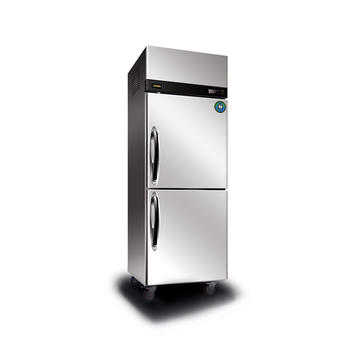
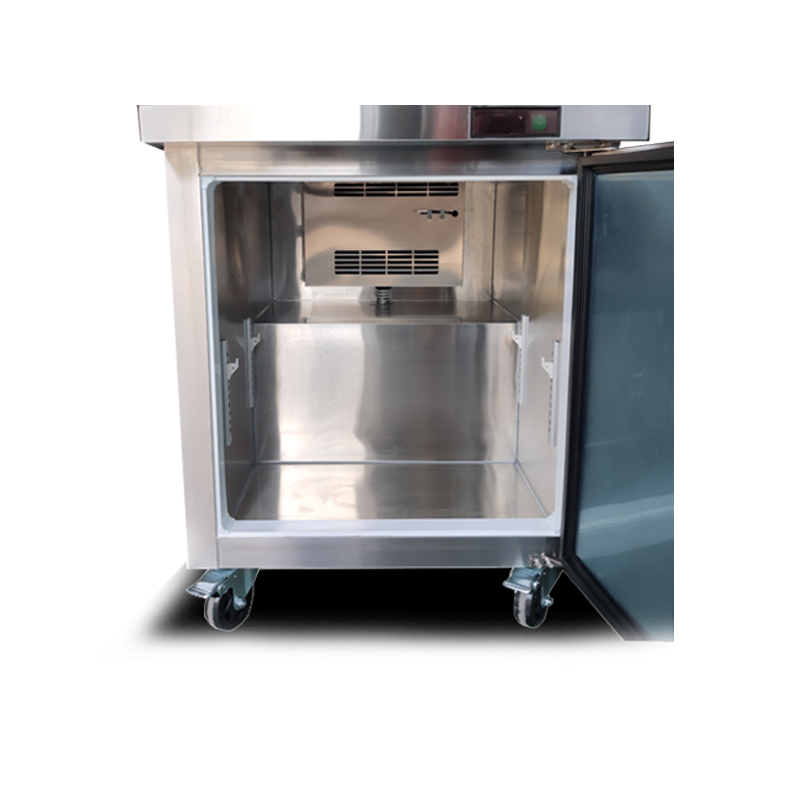
For beverage service, 1-door beverage milk counter chiller offers a compact footprint with commercial reliability.
 Custom Wholesale office undercounter beverage refrigerator cooler SuppliersRedbowl Refrigeration Equipment Co., Ltd is China custom wholesale office undercounter beverage refrigerator cooler suppliers. Model: UD...View Product →
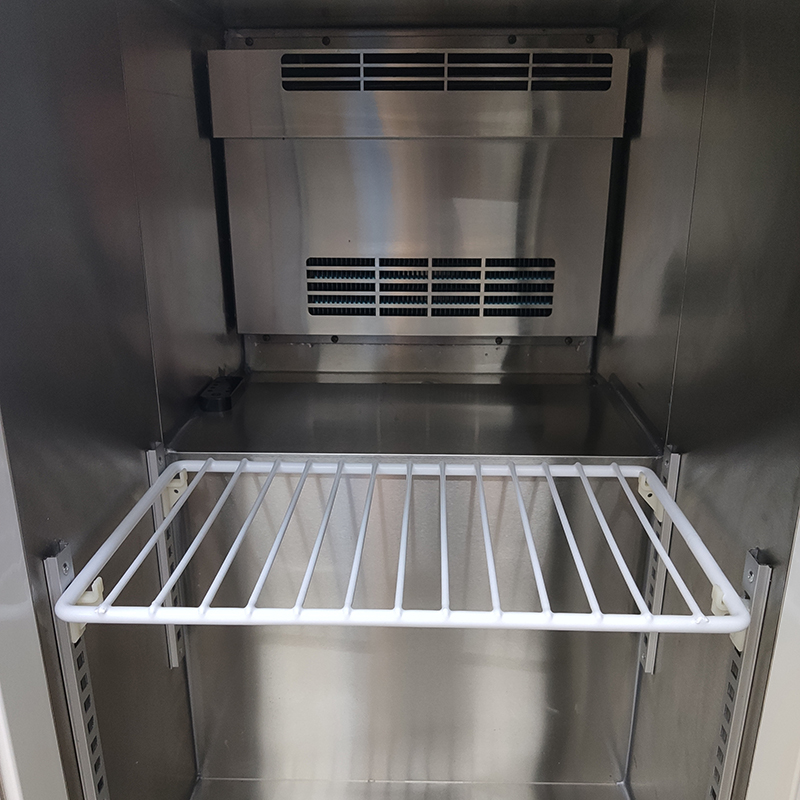
If the operation also needs frozen storage or pre-chilled glassware, 1-door beverage milk counter freezer covers that duty in the same floor space.
 Custom Wholesale 1 door beverage milk counter freezer SuppliersRedbowl Refrigeration Equipment Co., Ltd is China custom wholesale 1 door beverage milk counter freezer suppliers. Model: UD-695F T...View Product →
| Consideration | Dual-zone undercounter cooler | Commercial counter chiller |
|---|---|---|
| Primary use | Home bar, office, low-volume serving | Bar, restaurant, catering, high volume |
| Typical capacity | 30–50 bottles in a 24-inch model | Larger single-zone storage |
| Construction | Residential cabinet materials | Stainless steel, heavy-duty |
| Duty cycle | Light to medium | Continuous, high door traffic |
| Temperature zones | Two independent zones | Usually one controlled zone per unit |
| Recovery after door openings | Slower | Faster, larger condenser |
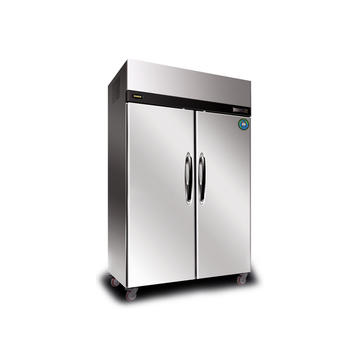
For bulk backup behind the bar, two-door stainless steel counter refrigerator provides far more capacity than any undercounter dual-zone cabinet. That split between service stock and backup stock is standard practice in busy bars and kitchens.
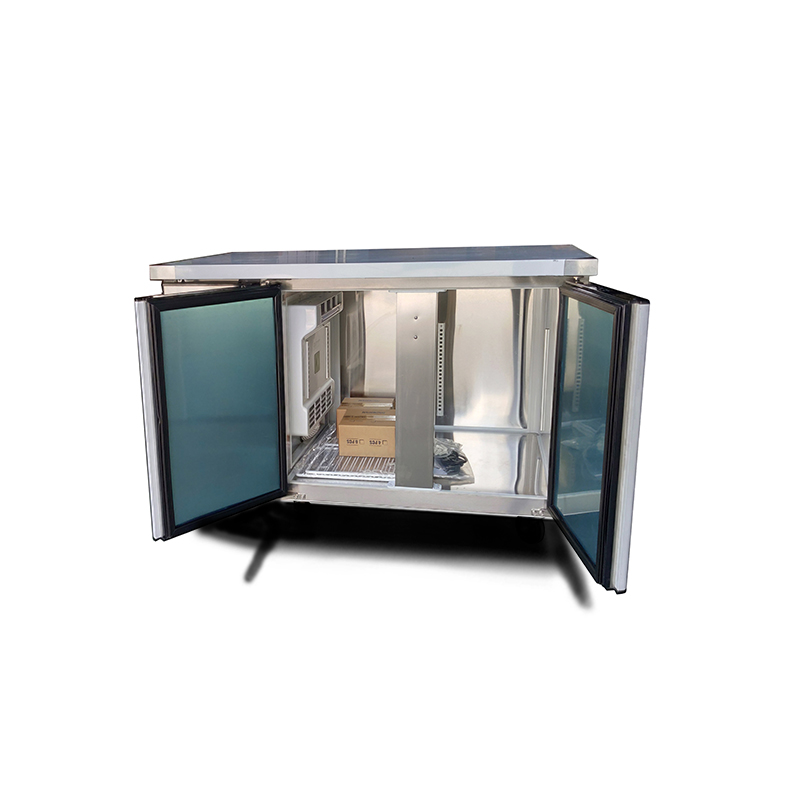 Custom Wholesale 2 door stainless steel counter refrigerator SuppliersRedbowl Refrigeration Equipment Co., Ltd is China custom wholesale 2 door stainless steel counter refrigerator suppliers. Model: SK-1200C...View Product →
The decision is straightforward: choose a dual zone wine and beverage cooler undercounter for a home or office setting, and move to commercial counter refrigeration when volume and operating hours justify it.
Maintenance and Long-Term Reliability
Whichever type you choose, the maintenance routine is simple but non-negotiable.
- Clean condenser coils every three to six months, more often in dusty environments.
- Inspect door gaskets for cracks and replace them when they stop sealing firmly.
- Keep the front grille clear so airflow never gets restricted.
- Avoid overloading shelves because blocked airflow creates hot spots.
- Verify actual temperatures with an independent thermometer each month.
Set the wine zone once and leave it alone. Repeated adjustments make the compressor work harder and create wider temperature swings.
In commercial installations, stainless steel surfaces are easier to sanitize and more resistant to corrosion in damp bar environments, which is why hospitality buyers favor them. Before you finalize your decision, download our product catalogue to compare the commercial counter chiller range against your floor plan and expected volume.