 English
 عربى
عربى Français
 русский
 Español
 中文简体
中文简体When a bar or restaurant puts both red wine and craft beer on the same drinks list, the storage problem is immediate. Red wine wants a slow, cool rest at about 12°C to 16°C, while a crisp lager is best served from a cabinet that holds a firm 1°C to 4°C. A standard single-zone commercial refrigerator cannot do both jobs at once. The practical answer for busy operators is a wine and beer combo refrigerator: one machine with separate temperature zones, or a carefully matched pair of commercial cooling units that share the same footprint.
This guide is written from a commercial refrigeration perspective. We will explain what the storage specifications actually mean, the purchase risks that turn up after installation, and how to choose a unit that survives the daily door swings of a working bar.
Why Wine and Beer Need Different Cooling Conditions
The storage physics behind wine and beer are not the same. Wine is a living product that benefits from humidity around 60 to 70 percent, no vibration, and darkness. Beer, on the other hand, is less sensitive to humidity but very sensitive to temperature. Serving temperature affects carbonation, aroma, and foam stability. Once a bottle of beer drops below 4°C, the cold actually masks some of the hop character, but the customer expects it cold.
| Product | Recommended temperature | Key storage factor |
|---|---|---|
| Red wine | 12°C - 16°C | Stable, vibration-free, dark space |
| White wine | 7°C - 12°C | Gentle cooling, avoid rapid swings |
| Beer (serve) | 1°C - 4°C | Rapid pull-down, no near-freezing |
| Beer (store) | 4°C - 7°C | Protect from light and temperature spikes |
For a combined unit, the challenge is not just temperature. It is also about how the cooling system maintains that temperature under real service conditions. A busy bar door opens dozens of times an hour, and the compressor needs to recover quickly without drying out the cabinet or freezing the contents. A commercial-grade unit uses a larger evaporator and a condenser with enough surface area to pull the temperature back down fast. That is why checking the evaporator and condenser specifications is more important than looking at the pretty glass door.
What to Check Before Buying a Wine and Beer Combo Refrigerator
Before placing an order, ask three questions: How many bottles do you need to store? Do you need to display the bottles, or simply keep them back-of-house? And what is the room temperature around the refrigerator?
- Temperature zones. A true combo unit has at least two independently controlled sections. If the price makes you question the compressor quality, the unit will not hold both zones under load.
- Capacity in bottles. A 100-bottle wine cabinet may look generous, but once beer cases are added, the usable space drops. Calculate shelf-to-bottle ratio.
- Door style. Glass doors help customers see the selection and increase impulse sales. Solid doors keep temperatures better and reduce energy use for back-of-house storage.
- Cooling method. Air-cooled systems recover faster after door openings, but the evaporator and condenser must handle ambient humidity. A fan-assisted system is usually more resilient in a busy bar environment.
- Environment. If your bar is in a warm kitchen, the refrigerator needs a condenser with enough heat exchange capacity. This is exactly where a commercial manufacturer invests effort in design.
- Hygiene and cleaning. Stainless steel is easier to sanitize and resists corrosion better than painted steel. A wine and beer combo refrigerator that sits behind a bar should have cleanable shelves and a simple, accessible refrigerant circuit.
The biggest purchasing risk is buying a unit with the right shape but the wrong cooling backbone. Look at the thickness of the insulation, the number of cooling coils, and whether the cabinet is designed for high ambient temperatures. If the cooling system is undersized, the compressor will run constantly, the temperature will swing, and your beer will lose carbonation before it reaches the glass.
Commercial Configuration Ideas for Wine and Beer Combined Storage
There are two reliable ways to implement a combo solution in a bar or restaurant. The first is a dedicated glass-door display chiller that keeps both wine and beer at a single programmable temperature. This works well when your list is short and you are happy to serve reds at a slightly cooler temperature. The second is using two separate units: one for wine at 12°C and one for beer at 2°C. This gives truly independent control and avoids any compromise.
For the glass-door option, a single-door colorbond display chiller offers a compact footprint and clear visibility. It is a strong choice for a front-of-house bar shelf where customers can see the collection. The glass door itself will add a small amount of heat load, so the cooling system needs a good balance of evaporator and condenser size.
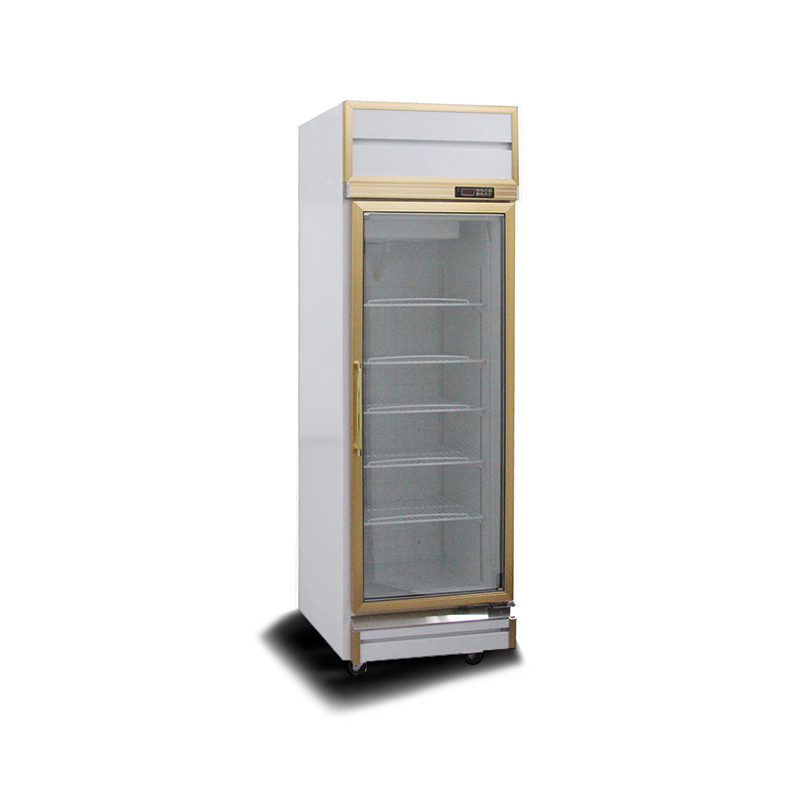 Single-door colored steel glass display chiller for bar front-of-houseThis compact display chiller with a glass door offers clear visibility for bottled drinks. Its temperature range of +2 to +12°C suits chilled beverages, while the colored steel exterior resists humidity. Ideal for front-of-house bar shelves, it balances evaporator and condenser sizes to manage glass door heat load.View Product →
If you separate the temperature zones, a one-door counter chiller from the beer bar family is a practical beer-side unit. It sits under the counter, keeps bottles handy, and uses a commercial-grade refrigeration system that tolerates frequent opening. When selecting a bar-side unit, pay attention to the available shelf depth so that standard 330 ml and 500 ml bottles fit without wasted space.
For a supplementary beverage and milk counter, or when you need extra chilled storage for mixers and bottle labels, a one-door beverage counter chiller can hold beer and wine that is already at serving temperature. This unit is also useful for keeping white wine at the right service temperature while the reds sit in the display cabinet. If you are still evaluating the bar side, these tips for buying a beer cooler cover capacity and door swing considerations.
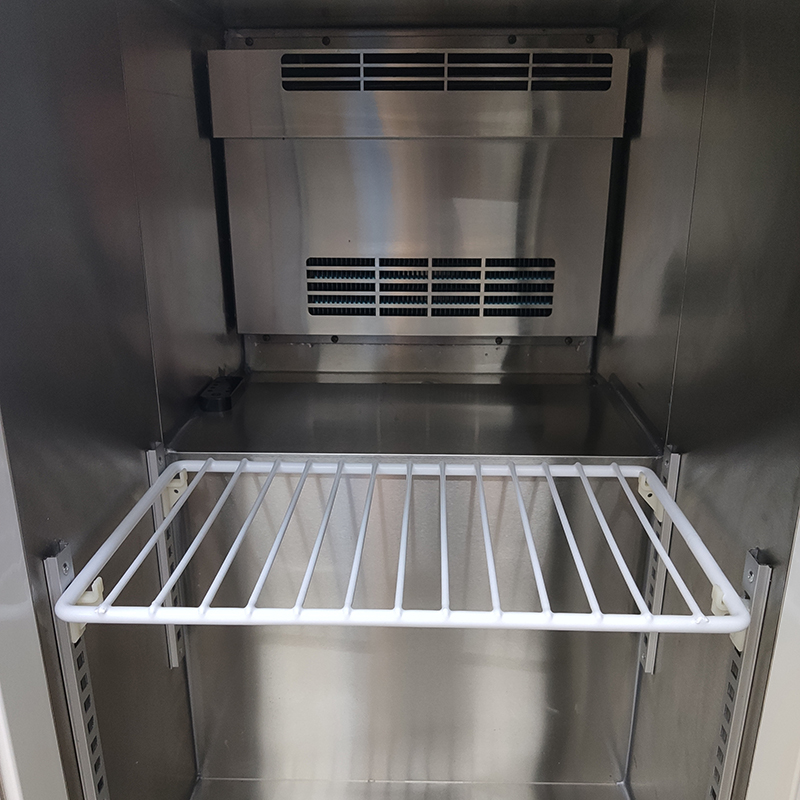 Undercounter beverage cooler for bar, office, and milk storageThis undercounter cooler fits beneath counters, keeping milk and beverages at serving temperature. With a +2 to +12°C range and auto-closing door, it suits bars, coffee shops, and offices. Its hydrophilic aluminum fin and copper tube ensure efficient cooling for frequent access.View Product →
Final Advice for Commercial Buyers
The wine and beer combo refrigerator is not a marketing trick; it is a working tool for bars that want to serve both drinks properly. Whether you choose a single-display unit or a pair of dedicated machines, the non-negotiable requirements are a robust compressor, adequate insulation, and easy-to-clean stainless steel. Look at the manufacturer's history in commercial refrigeration, check the condenser design, and do not be lured by low prices that sacrifice the cooling core.
If you plan to serve wine and beer from the same front counter, choose a display chiller that gives you visibility. If you need exact separation of the two beverage categories, invest in two well-specified commercial cabinets. Either way, the right machine will pay for itself in consistent service temperature and fewer wasted bottles.